
Slow and steady wins the race is a phrase we all have heard and we all still do hear. I totally believe in this, that slow is a necessity, especially in today’s fast and forward moving society.
Now you all must be thinking that why am I talking about this phrase esecially in a fashion blog? so, let me get straight to it.
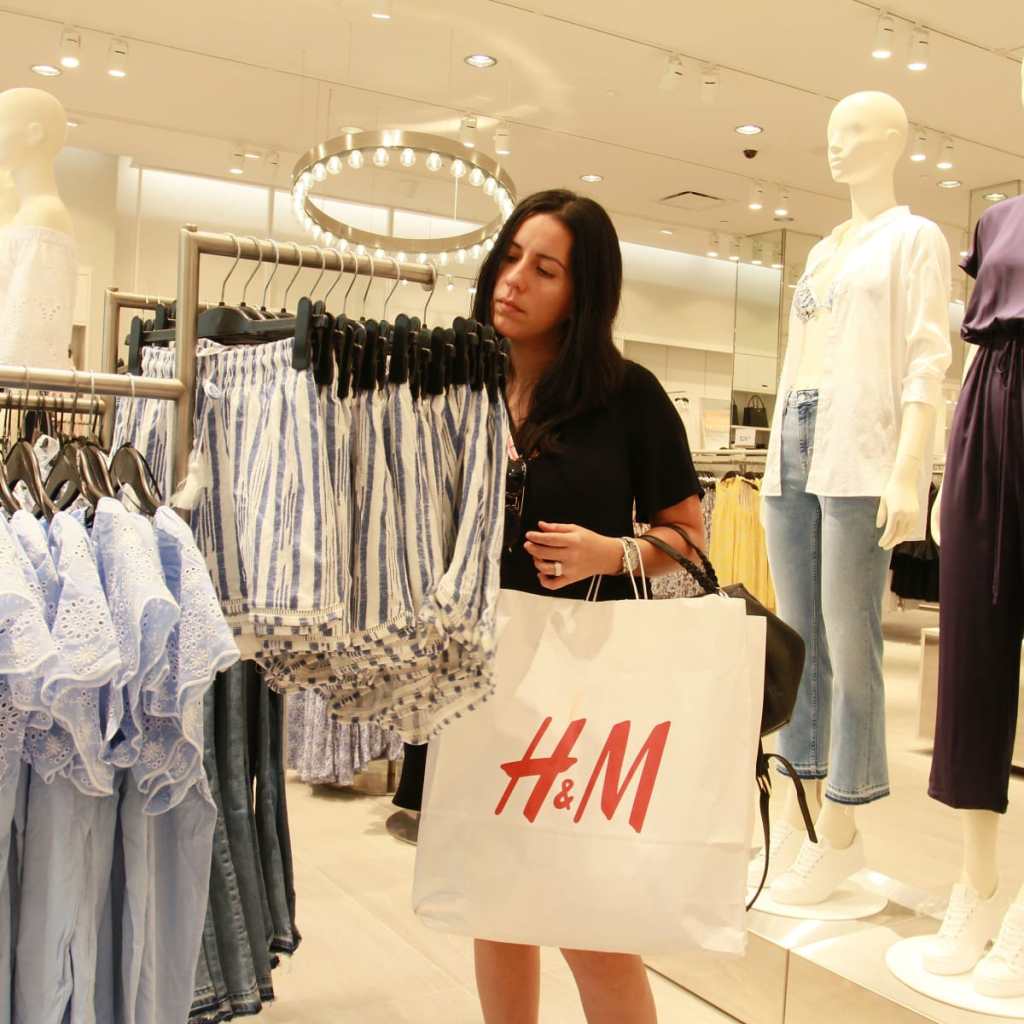
Many of you already might have heard about fast fashion and slow fashion [more about fast then slow I’m sure.]. Those who haven’t , fast fashion is alot like fast food, one is unhealthy for us, the other unhealthy for our environment, hence, directly harmful for us too. It is actually the inexpensive clothing produced rapidly by mass-market retailers in response to the latest trends. It is so fast that where there are 2-4 fashion seasons in a year, H&M [fast fashion brand] practically have 52! But After the release of the documentary ‘The True Cost’ and ‘River Blue’, there was attention drawn to companies that have fast fashion practices. Despite the spread movement, H&M had revenues amount to $25 billion in the fiscal year of 2016. However, as the movement has grown in popularity, H&M’s stock and brand image has taken a hit as consumer awareness has spread of their environmentally unethical practices leading to a drop in sales.
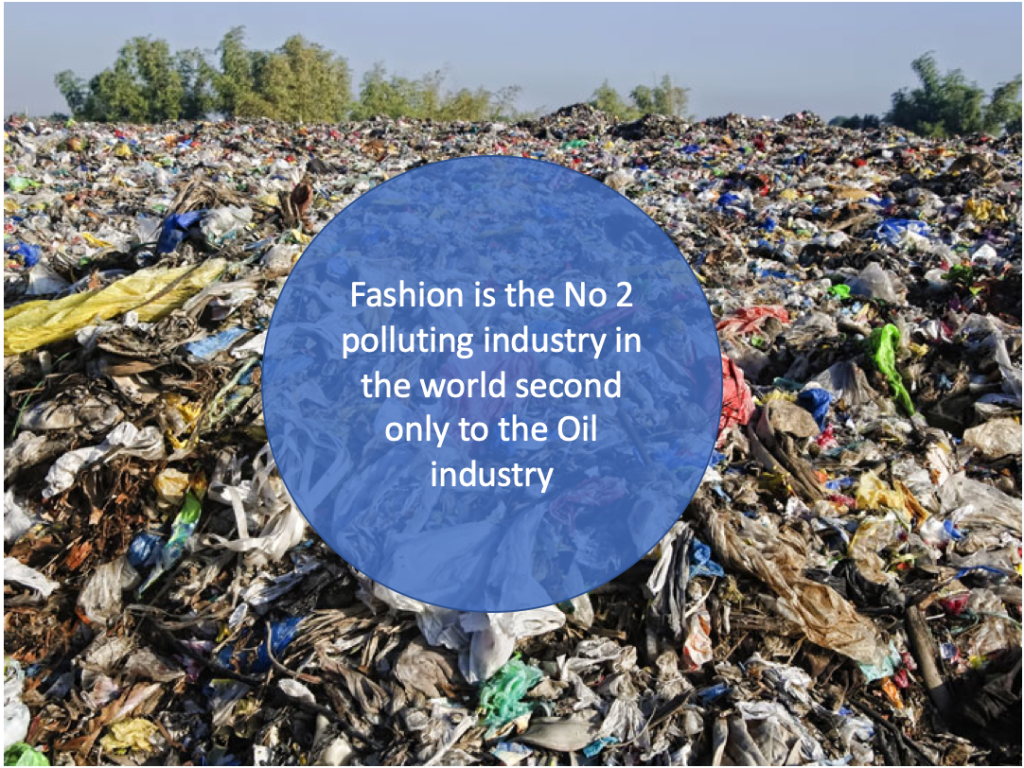
Fashion industry is the 2nd largest polluting industry in the world and the credit totally goes to fast fashion, because nowadays we are disposing off more clothes then we are actually wearing them. So obviously, there’s a tremendous need for us to slow down. We need keep a check on our actions, alot more then we think is necessary!
This is when Slow fashion comes into account. Slow fashion is a concept describing the opposite of fast fashion and part of the slow movement, which adocates for manufacturig in respect to people environment and animals. In the process of manufacturing, slow fashion includes local artisans, eco-friendly material, less to no use of chemicals and also trying in reducing the wastage. It works in a way to satisfy the prducers and consumers with minimum to no effect on our environment. Slow fashion is a way to “identify sustainable fashion solutions, based on the repositioning of strategies of design, production, consumption, use, and reuse, which are emerging alongside the global fashion system, and are posing a potential challenge to it.” In simpler terms Slow fashion is the polar opposite of quick fashion. It refers to a fashion awareness and approach that takes into account the procedures and resources needed to create apparel. It promotes the purchase of higher-quality clothes that will last longer, as well as equitable treatment of people, animals, and the environment.
Alot of fashion brands are slowly moving towards slow fashion, whereas alot more are gradually moving towards fast fashion, leading our envirnment to nothing more then a dumpster.

As consumers and as responisible humans we must demand for mor slow fashion products. this will not only help the local artisans and workers but will also bring a huge cgange in our society.Now the question comes, that how exactly as an individual we can help in this movement?
Well, we can start buying vintage clothes, redesigning old clothes, shopping from smaller producers, making clothes and accessories at home and buying garments that last longer. New ideas and product innovations are constantly redefining slow fashion, so using a static, single definition would ignore the evolving nature of the concept.
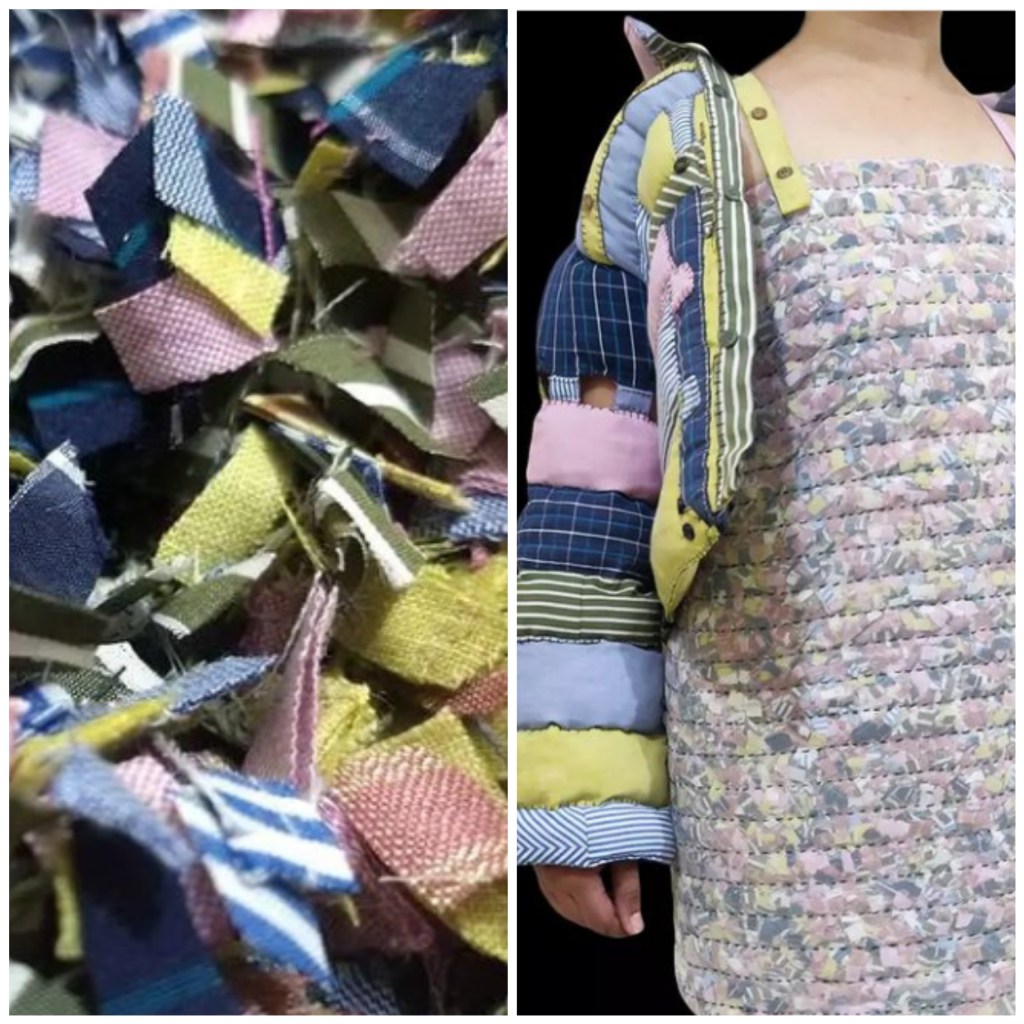
The spread of the movement has resulted in two fast fashion giants, Zara and H&M, switching narratives to become advocates for ethical fashion practices. With collections aimed at sustainable fashions, the two companies have shifted towards more ethical practices.Due to the audience that the movement against unethical fashion practices has accumulated, organizations such as the United States Fashion Industry Association have devoted some of their attention to ‘social compliance and sustainability’.
But What I don’t understand is why this problem is still unknown to so many people?, why is no one actually talking about such a big isssue pevailing in our society?, why are people still unaware about slow fashion?
I guess the answer to all these questions in that people who are already aware of the problem and it’s solutions are not playing their part in spreading the awareness. I did my part , I hope you all will start spreading the message from now on!


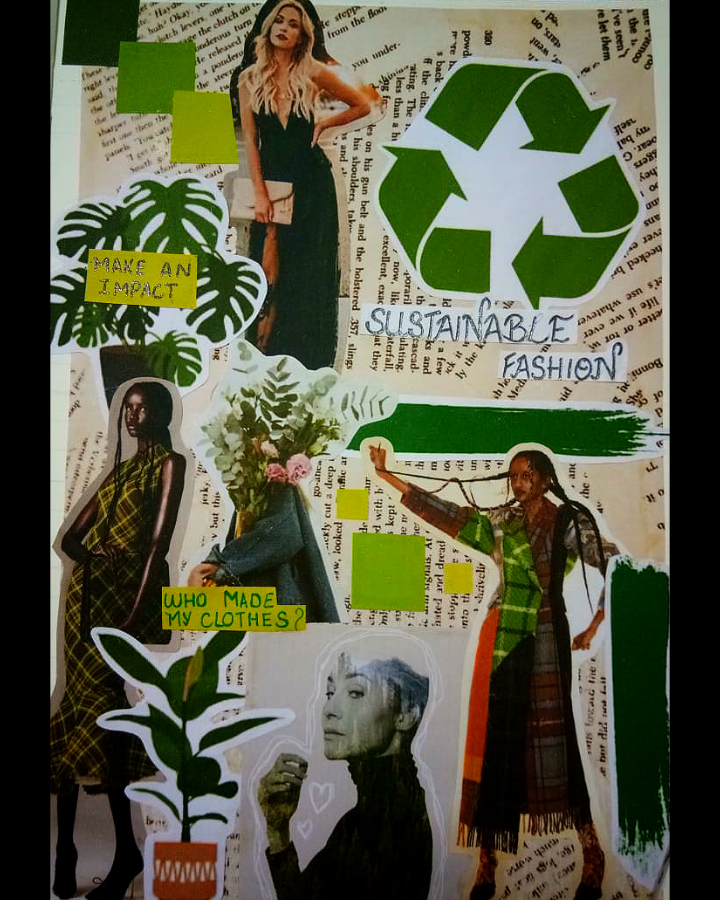
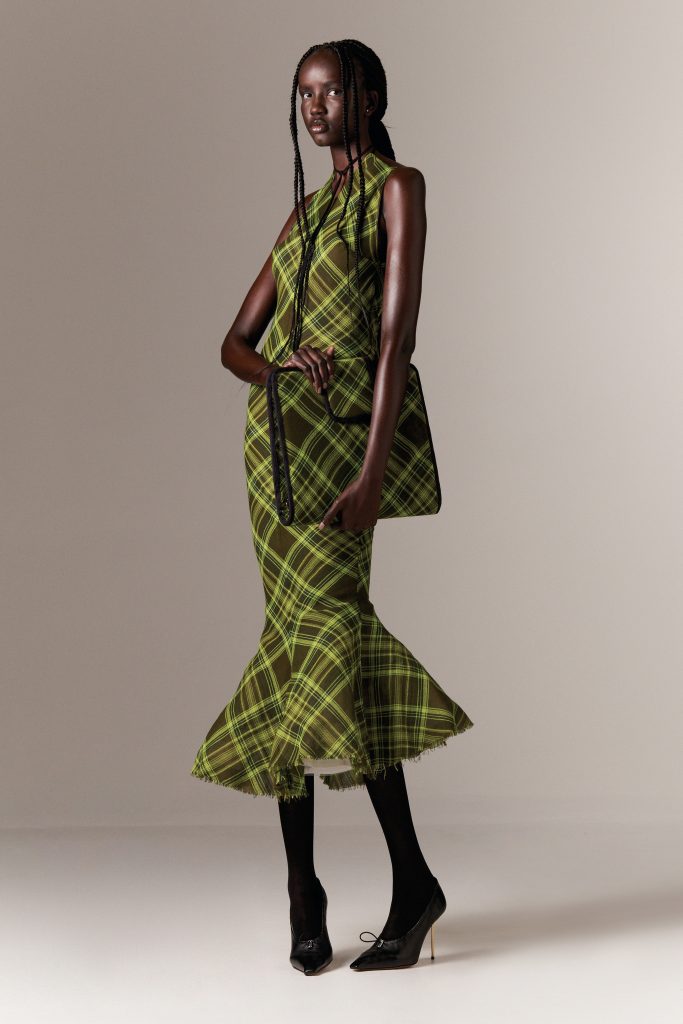
 A little fashion-vashion